
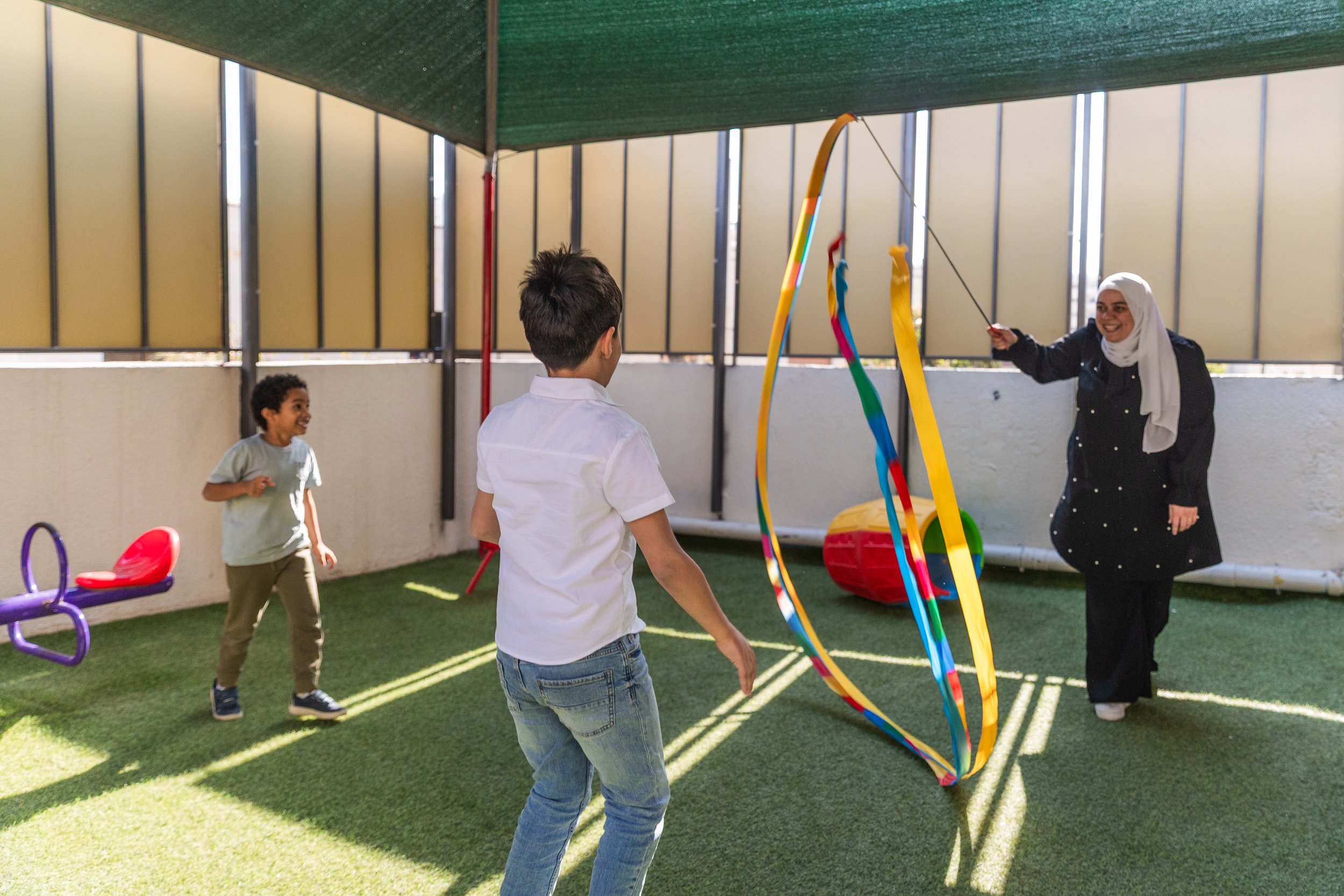

At Al-Masar, therapy is play-based, engaging, and personalized
What to expect from our therapy services
We start with comprehensive assessment to understand your child's unique profile and strengths, then create a plan tailored to their needs using a multidisciplinary approach.
Our therapists are trained in evidence-based methods and select the most suitable techniques for your child's learning style and context.
Therapy intensity varies depending on individual needs. We work with children from infancy through 18 years old, whether they attend our programs or general education settings. We also offer online therapy and consultation.
Our services include:
Speech-Language Therapy
Occupational Therapy
Physical Therapy
Behavior Therapy (ABA)
Learning Differences Support (ILearn)
Developmental Assessments
Speech-Language Therapy
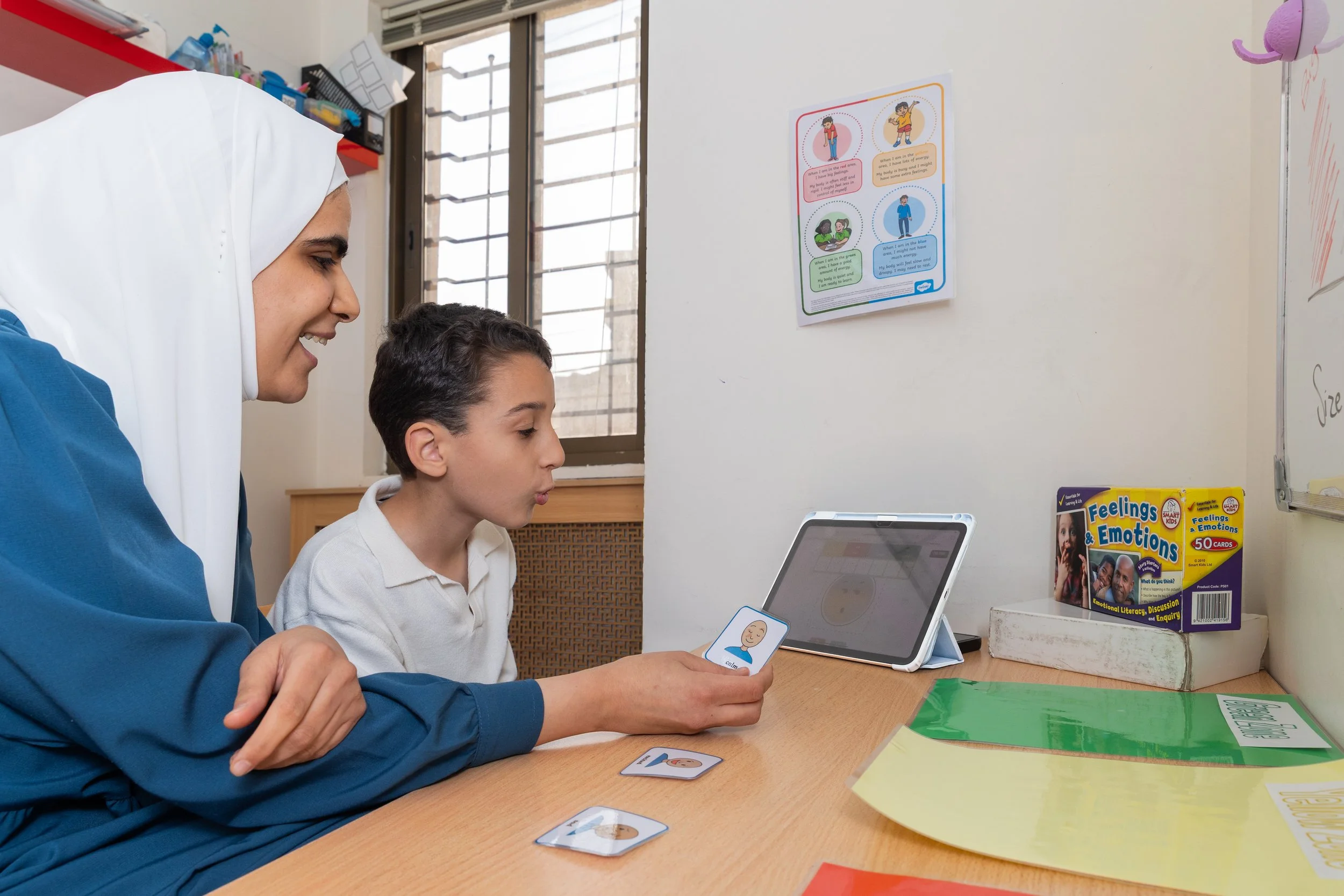
Our speech-language therapists help your child communicate clearly and confidently. We support skills such as speech sounds, understanding and using language, listening, social communication, and fluency.
Who might benefit:
Your child might benefit if they aren't following verbal instructions well, are delayed in expressing themselves verbally, have difficulty with speech sounds or stutter, are behind in language or social interaction development, don't seem to understand spoken language, or have any combination of these concerns.
What to expect:
Sessions are tailored to your child's interests and learning style, using play and engaging activities. We also offer group therapy for social skills development when appropriate. Frequency and intensity depend on your child's needs.
Occupational Therapy
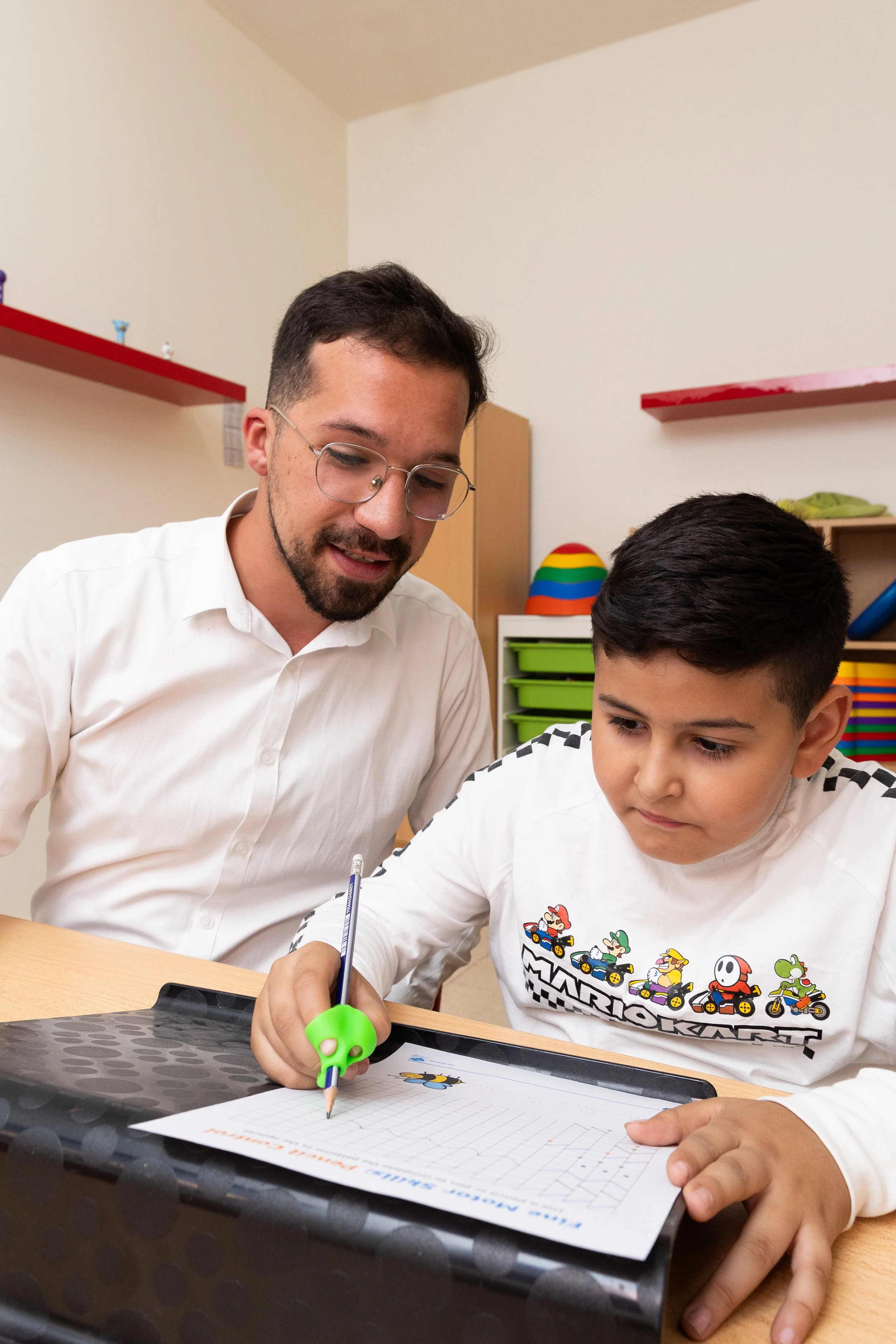

Our occupational therapists help your child develop everyday skills and independence. We support fine and gross motor skills, self-care activities, play and leisure, visual-motor coordination, and sensory processing.
Who might benefit:
Your child might benefit if they show delays in play skills, have unusual reactions to sensations, struggle controlling utensils or tools, appear clumsy or uncoordinated, are struggling with pre-academic skills like writing, or have any combination of these concerns.
What to expect:
We work on the underlying skills your child needs to participate fully in school, self-care, and play. Using engaging, play-based activities adapted to your interests, sessions focus on functional abilities, the skills that matter in your child's life at home, school, and in the community.
Physical Therapy
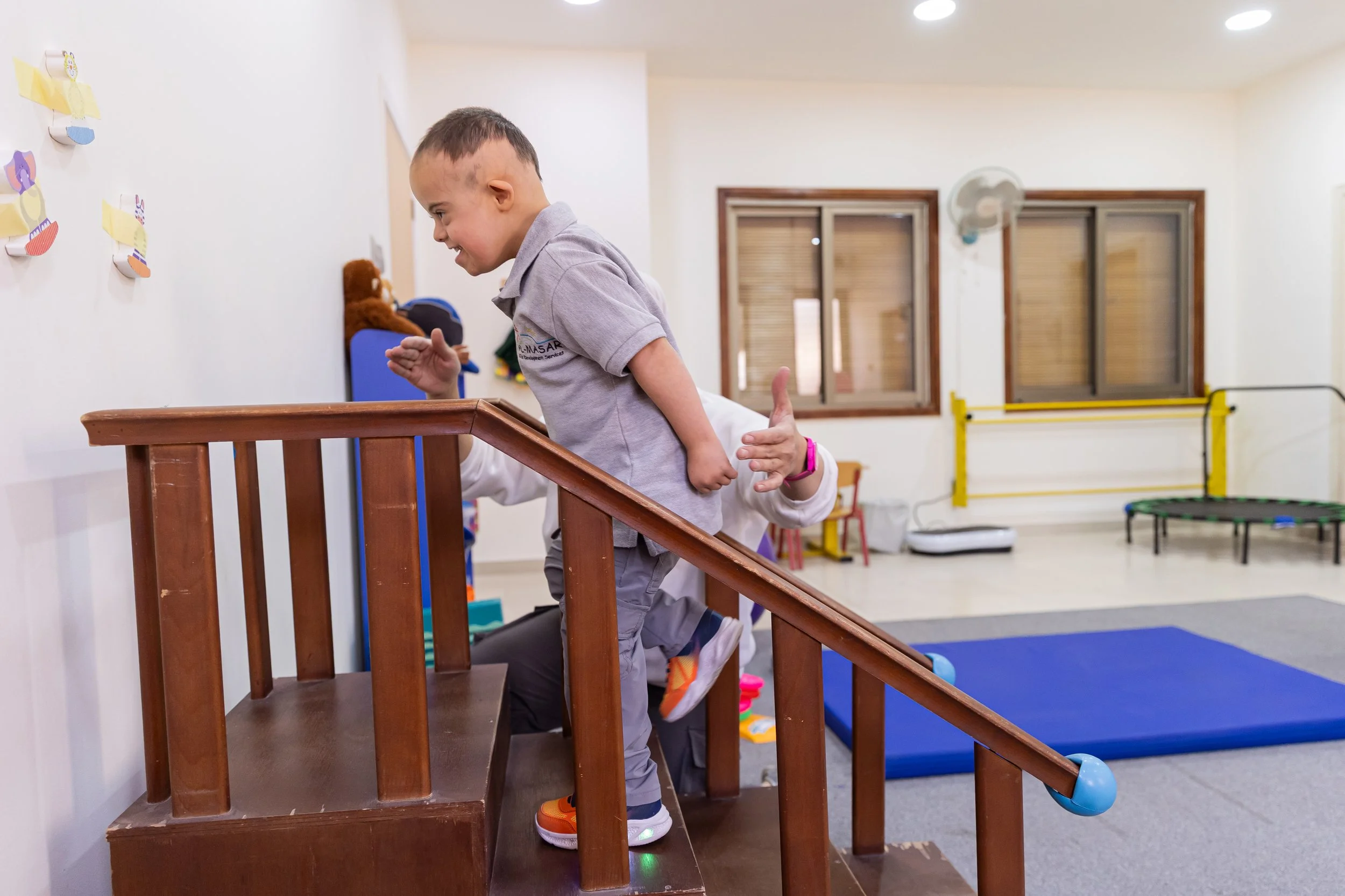
Our physical therapists help your child move, play, and explore with confidence. We support gross motor skills, balance and coordination, strength and endurance, postural stability, and sensory integration.
Who might benefit:
Your child might benefit if they're not mastering gross motor skills (e.g., sitting, walking, running) expected at their age, have unusual muscle tone, have one side of their body weaker than the other, seem generally weaker or less coordinated than peers, or have any combination of these concerns.
What to expect:
Physical therapists specialize in movement, balance, and coordination. We evaluate and treat developmental delays, neurological differences, and sensory integration challenges. Therapy focuses on helping your child achieve independence and confidence in movement, tailored to their specific goals.
Behavior Therapy (ABA)
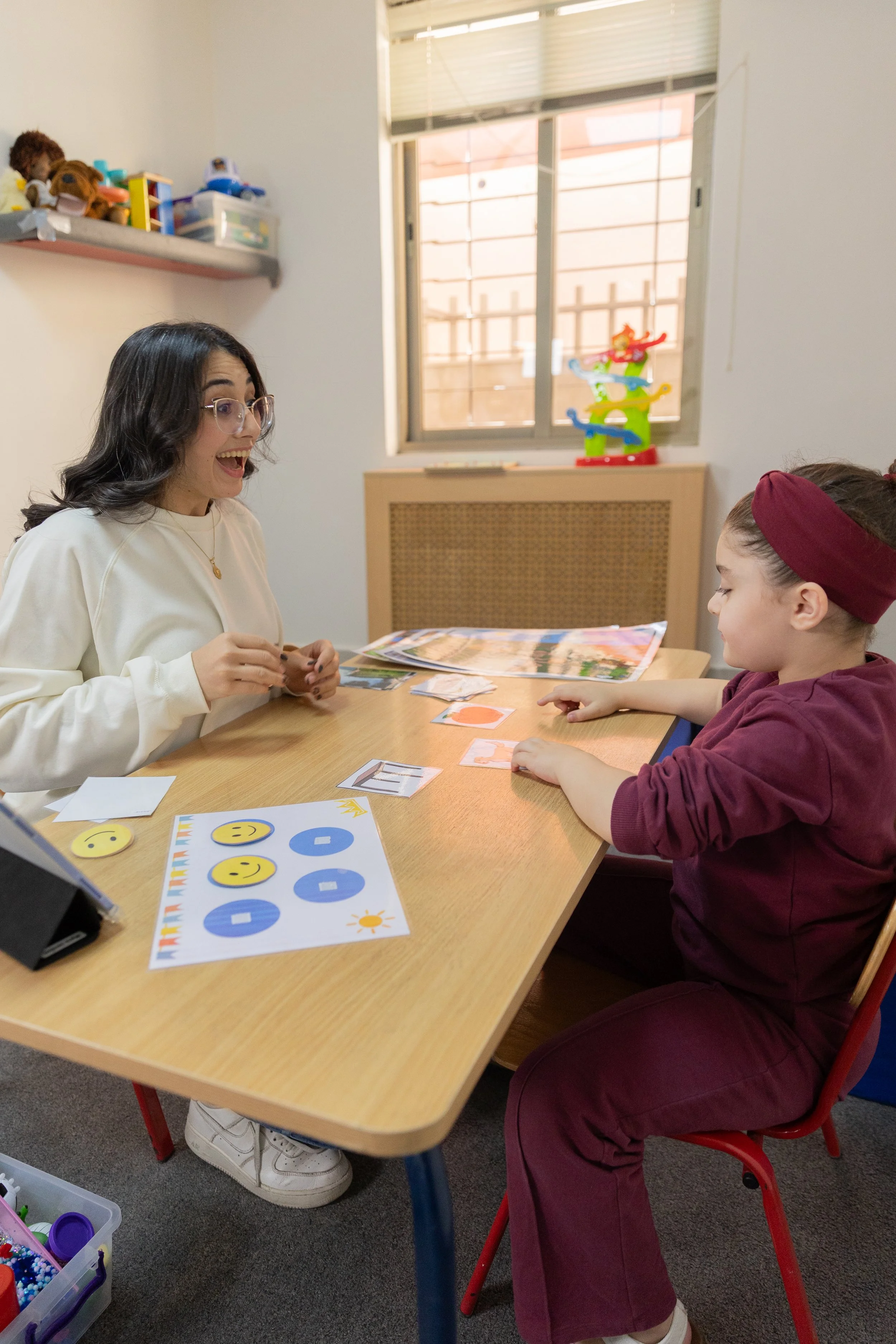
Our behavior therapists help your child develop new skills and manage behaviors that interfere with their learning and relationships. We use applied behavioral analysis (ABA), an approach rooted in the science of learning and behavior.
Who might benefit:
Your child might benefit if they're experiencing developmental delays, have behaviors interfering with learning or skill acquisition, or need support building adaptive skills at home, school, or in the community.
What to expect:
We believe behavior change happens best in partnership. Our team includes board-certified behavior analysts (BCBAs) and registered behavior technicians (RBTs) who work with your family to create a personalized plan. Your child practices skills and works toward goals designed specifically for them, using approaches grounded in learning science.
Developmental Assessments
A comprehensive developmental assessment is the foundation of our approach. Before therapy begins, we conduct thorough evaluation to understand your child’s strengths and challengesand what support will help most.

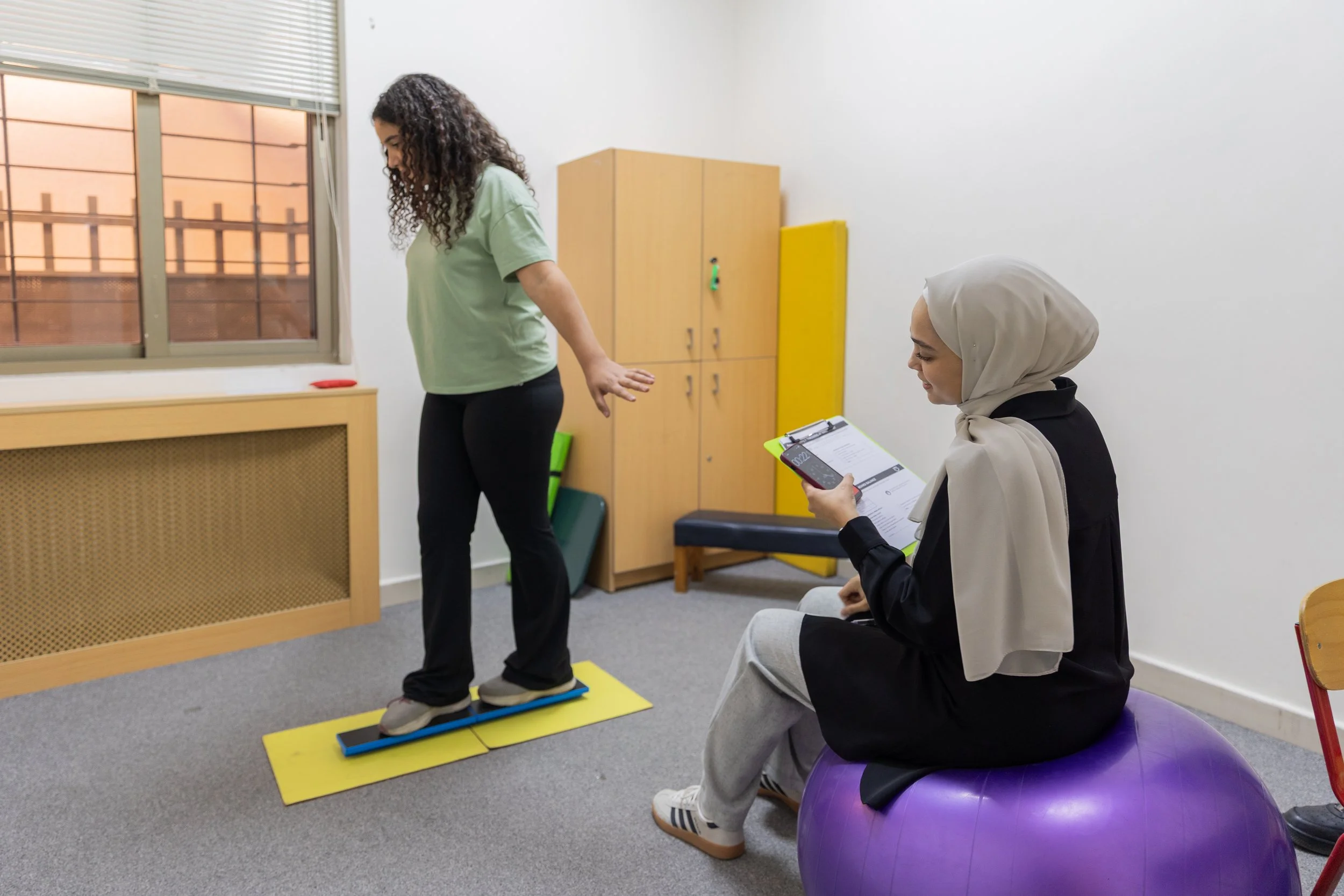
What's included:
Assessment focuses on developmental areas relevant to your child's needs, such as communication, motor skills, sensory processing, behavior, learning, or combinations of these. We gather detailed developmental history and use performance-based assessments to evaluate real-life skills and developmental milestones across home, school, play, and peer contexts, with formal standardized tools used where appropriate.
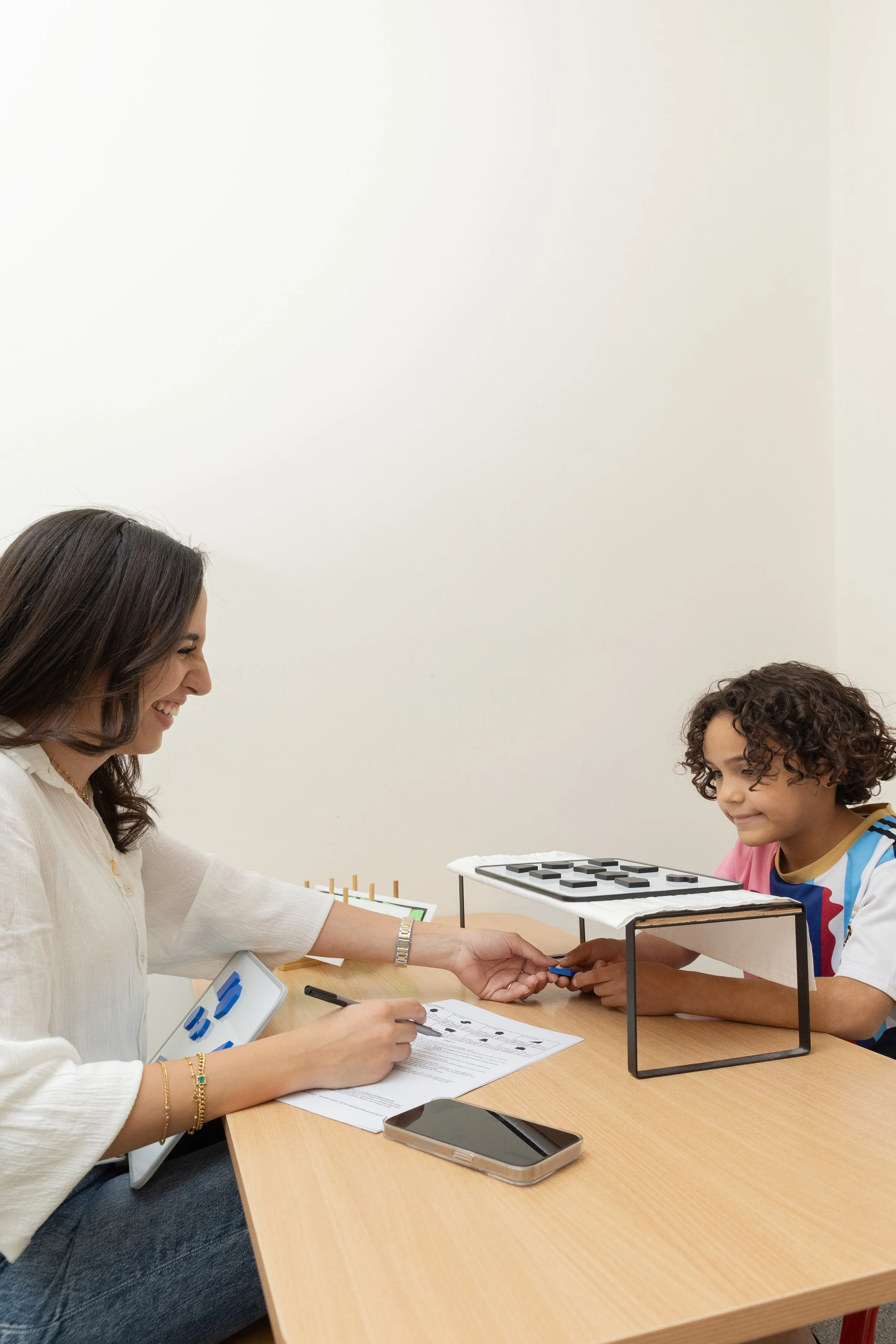
Who should be assessed:
Any child whose development seems different from peers, or whose learning or behavior is creating challenges. Assessments give you clarity on typical learning patterns, whether there is a specific difficulty we can address and what the best path forward is.
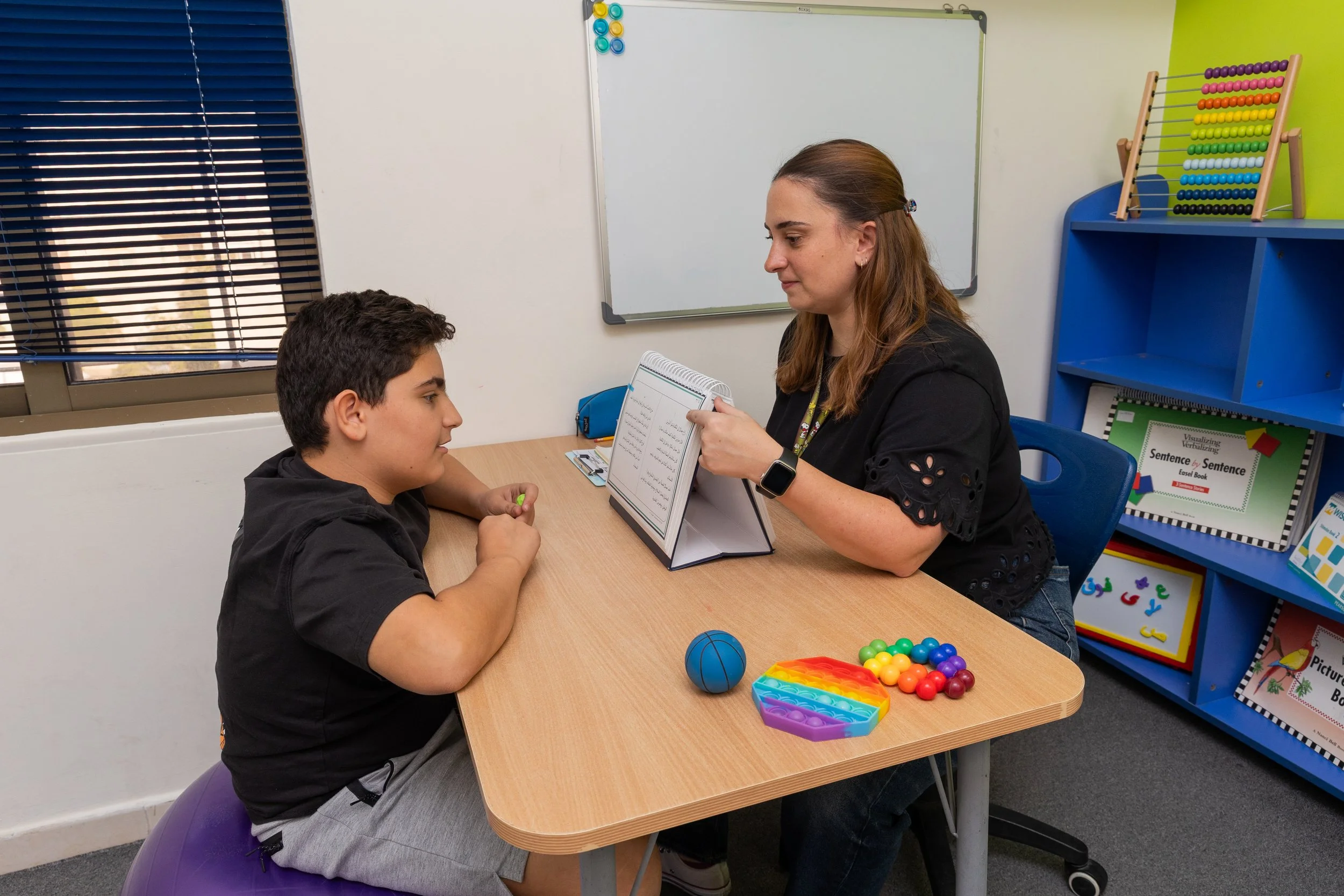
After assessment:
We meet with you to discuss findings, answer questions, and create a therapy plan tailored to your child. If therapy is recommended, we'll discuss which services, how often, and what you can expect.

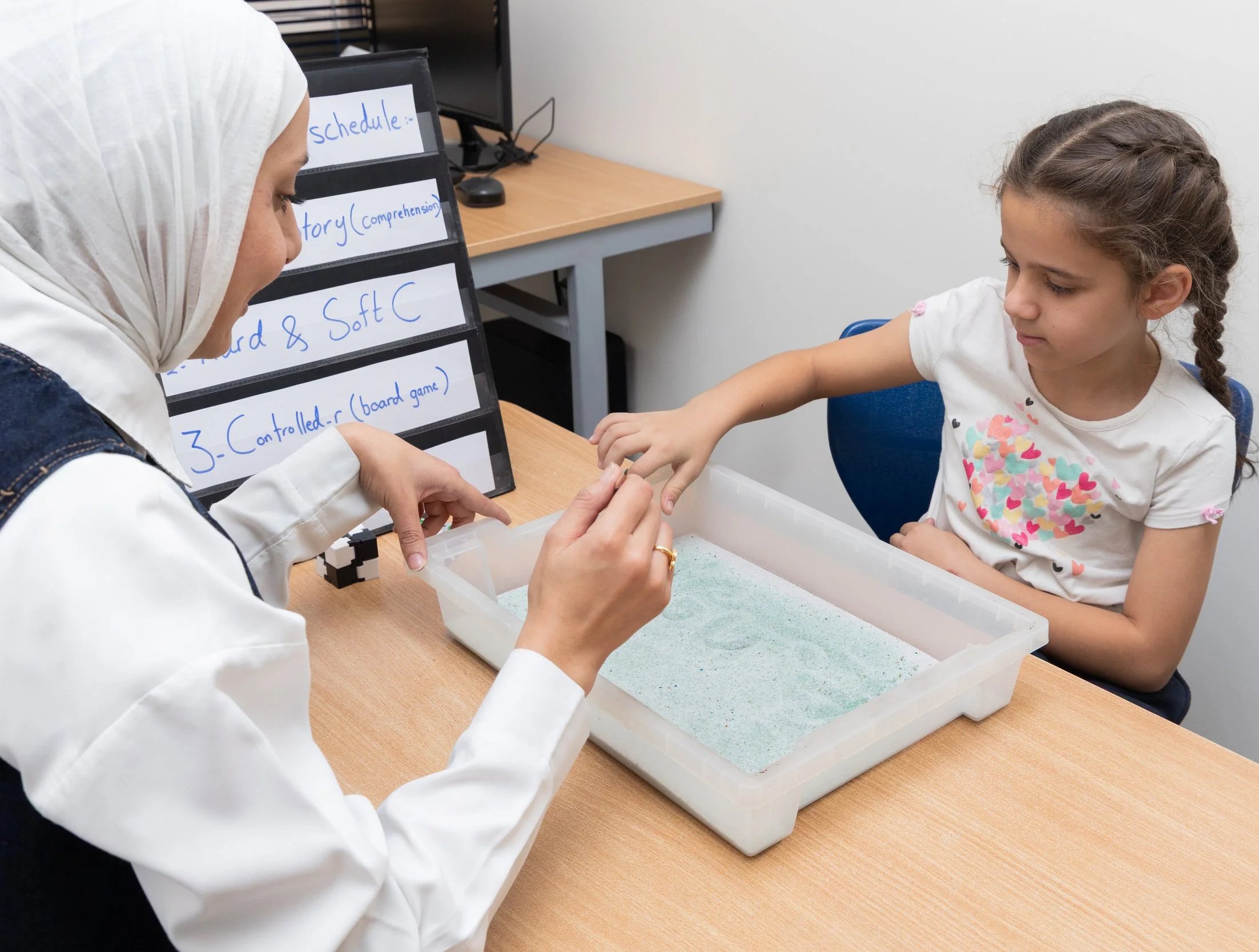
Learning Differences Support: ILearn

ILearn is a department specialized in supporting students with specific learning difficulties - students with average or above-average intellectual functioning who learn and process information differently. They may struggle with reading, spelling, math, writing, or organization, yet often excel in creativity and innovation.
What we offer:
Psychoeducational Assessments
Understanding how your child learns is the first step to helping them thrive. Our assessments evaluate cognitive abilities, academic achievement, and learning profile — identifying strengths, challenges, and the underlying factors that affect learning. Results are delivered in a comprehensive report with tailored recommendations.
Our assessments are evidence-based and recognized by leading international educational boards, including the IB and IGCSE.
One-on-One Tutoring
Every session is built around your child's specific assessment results. Using multi-sensory, research-based programmes, we work on reading, spelling, comprehension, writing, math, and reasoning, tailored to how your child learns. There is no one-size-fits-all approach.
Who benefits:
Students who want to succeed academically while building confidence and independence in their learning.

Our Therapeutic Approach

Play-based and engaging:
We use play as a fundamental tool. Children learn best when motivated and having fun, so we design activities around your child's interests and create appropriate challenges to achieve therapeutic goals.

Evidence-based:
Our therapists are trained in the latest research-backed approaches. We use an eclectic approach—selecting the most suitable methods for your child's learning style, needs, and the specific situation.

Flexible and personalized:
Therapy intensity varies depending on your child's needs. Some children benefit from intensive support; others from weekly sessions. We discuss what makes sense for your family and adjust as your child progresses.
Methods we use include:
AAC systems, such as LAMP and Proloquo2Go, support expressive communication for individuals with limited verbal abilities.
Ayres Sensory Integration (ASI) focuses on improving sensory processing to enhance regulation, attention, and participation.
Oral Motor therapy (TalkTools approach) targets strength, coordination, and awareness of oral structures (jaw, lips, tongue) to support speech clarity and feeding.
DIR/Floortime (Developmental, Individual-differences, Relationship-based model) emphasizes social-emotional development and communication through play and relationships.
PROMPT (Prompts for Restructuring Oral Muscular Phonetic Targets) uses tactile-kinesthetic cues to support accurate speech sound production.
Lindamood-Bell programs, including Seeing Stars, focus on developing symbol imagery and phonological processing to improve reading and spelling.
VB-MAPP (Verbal Behavior Milestones Assessment and Placement Program) is an ABA-based tool used to assess language, learning, and social skills and guide intervention planning.
Bobath / NDT (Neurodevelopmental Treatment) focuses on improving movement patterns, posture, and motor control.
Alpha to Omega is a structured, multisensory literacy program targeting phonics, spelling, and reading development.
Jolly Phonics is a systematic, multisensory phonics program that teaches letter-sound relationships.
Nuffield Dyspraxia Programme (NDP3) is a structured intervention for children with speech sound disorders, especially childhood apraxia of speech.
Vineyard Approach is a language-based intervention that emphasizes functional communication, vocabulary development, and structured language use within meaningful, everyday contexts.

Next Steps
Ready to understand your child's development better?
Questions?